

Project Manager Selections in Piedmontese Social Assistance Consortia: Navigating Complexity and Fostering Impact
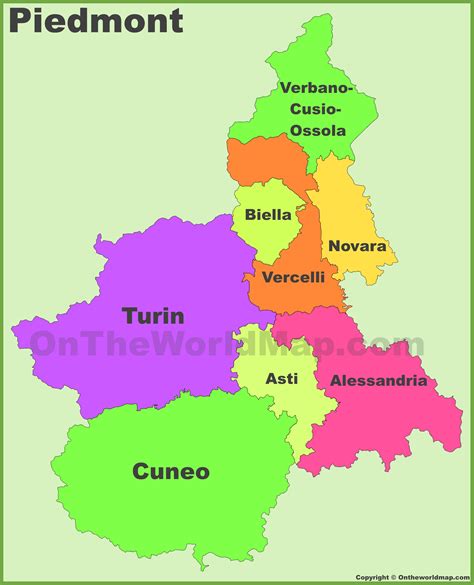
The landscape of social assistance in Piedmont is increasingly characterized by the formation and operation of consortia, entities designed to pool resources, expertise, and efforts to address complex societal needs. Within these consortia, the role of the Project Manager is pivotal, acting as the linchpin that translates strategic objectives into tangible outcomes. This article delves into the intricacies of selecting Project Managers for these specialized consortia in Piedmont, exploring the multifaceted requirements, critical skills, and the overarching importance of this role in ensuring effective and impactful social service delivery.
The Evolving Role of Social Assistance Consortia in Piedmont
Consortia for social assistance in Piedmont represent a strategic response to the growing demand for integrated and efficient social services. These collaborative structures bring together various public and private entities, including municipalities, social cooperatives, healthcare providers, and non-profit organizations, to create a more cohesive and responsive social care system. The formation of consortia allows for the optimization of resources, the sharing of best practices, and the development of innovative solutions to challenges that often transcend the capacity of individual organizations. The primary aim is to enhance the quality, accessibility, and sustainability of social services offered to citizens. This collaborative approach is particularly crucial in addressing multifaceted issues such as elderly care, support for individuals with disabilities, child protection, and the integration of vulnerable populations. By working in concert, these consortia can achieve economies of scale, reduce duplication of services, and foster a more holistic approach to individual and community well-being. The governance structures of these consortia are often complex, involving multiple stakeholders with diverse interests and operational frameworks, thus underscoring the need for skilled leadership.
Defining the Project Manager's Mandate within Social Consortia
The Project Manager in a Piedmontese social assistance consortium is far more than a simple administrator; they are a strategic leader, a facilitator, and a change agent. Their mandate encompasses the entire lifecycle of social projects, from initial conception and planning through to execution, monitoring, and final evaluation. This involves a deep understanding of the social sector's unique challenges, including funding complexities, regulatory frameworks, ethical considerations, and the diverse needs of service users. The Project Manager must be adept at navigating the political and administrative intricacies inherent in public-private partnerships, ensuring alignment between project goals and the broader objectives of the participating entities.
The responsibilities are broad and demanding. They include:
- Strategic Planning and Development: Identifying needs, defining project scope, setting objectives, and developing comprehensive project plans that are realistic, measurable, achievable, relevant, and time-bound (SMART). This involves meticulous research into community needs, stakeholder consultations, and the assessment of existing service gaps.
- Resource Management: Overseeing budgets, allocating financial resources effectively, and ensuring compliance with funding regulations. This also extends to managing human resources, including project teams, volunteers, and external consultants, fostering a collaborative and productive work environment.
- Stakeholder Engagement and Communication: Building and maintaining strong relationships with all stakeholders, including consortium members, service users, governmental bodies, funding agencies, and the wider community. Effective communication is paramount to ensure transparency, manage expectations, and foster buy-in.
- Risk Management: Identifying potential risks and challenges, developing mitigation strategies, and proactively addressing issues that could impede project progress or success. This requires foresight and a pragmatic approach to problem-solving.
- Monitoring and Evaluation: Establishing robust monitoring and evaluation frameworks to track project progress, measure impact, and identify areas for improvement. This data-driven approach is essential for demonstrating accountability and ensuring continuous learning.
- Compliance and Reporting: Ensuring that all project activities adhere to relevant laws, regulations, and ethical standards. This includes preparing detailed reports for funding bodies and consortium partners, showcasing progress, outcomes, and financial stewardship.
The Project Manager acts as the central point of contact, coordinating the efforts of diverse teams and individuals, often with differing priorities and working styles. Their ability to foster collaboration and build consensus is critical for the success of projects that are inherently complex and involve multiple layers of governance and operation.
Essential Skills and Competencies for Project Managers
The selection of Project Managers for social assistance consortia in Piedmont demands a rigorous assessment of a candidate's skills and competencies. Beyond standard project management methodologies, these roles require a unique blend of technical expertise, interpersonal abilities, and a deep commitment to social impact.
Technical Skills:
- Project Management Methodologies: Proficiency in recognized project management frameworks such as PRINCE2, Agile, or Lean, and the ability to adapt these to the specific context of social services. This includes expertise in planning, scheduling, budgeting, and risk management tools.
- Financial Management and Budgeting: A strong understanding of financial principles, grant management, and budget control is essential for the responsible stewardship of public and private funds. This includes experience in forecasting, resource allocation, and financial reporting.
- Monitoring and Evaluation (M&E): The ability to design and implement effective M&E systems to measure project outcomes, assess impact, and inform future strategies. This involves data collection, analysis, and the interpretation of results to drive continuous improvement.
- Understanding of the Social Sector: A solid grasp of social policies, legislation, and the specific challenges faced by vulnerable populations in Piedmont and Italy. This includes knowledge of the service delivery models and the regulatory environment governing social assistance.
- Digital Literacy and Technology Adoption: Proficiency in using project management software, data analysis tools, and communication platforms to enhance efficiency and collaboration.
Soft Skills:
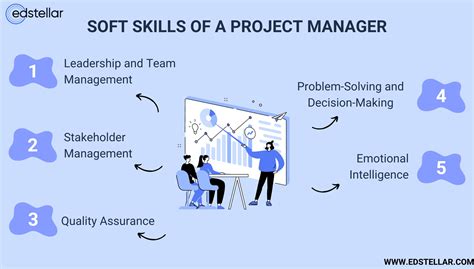
- Leadership and Team Management: The ability to inspire, motivate, and guide diverse project teams, fostering a positive and productive work environment. This includes delegation, conflict resolution, and performance management.
- Communication and Interpersonal Skills: Exceptional verbal and written communication skills, with the ability to engage effectively with a wide range of stakeholders, from frontline staff to high-level officials and community members. Active listening and empathetic communication are crucial.
- Negotiation and Conflict Resolution: The capacity to mediate disagreements, negotiate effectively with various parties, and reach mutually agreeable solutions in complex situations.
- Problem-Solving and Critical Thinking: A strong analytical mind, capable of identifying complex problems, evaluating different solutions, and making sound, evidence-based decisions under pressure.
- Adaptability and Resilience: The ability to thrive in dynamic and often challenging environments, adapting to changing circumstances and maintaining composure in the face of setbacks.
- Strategic Vision: The capacity to see the bigger picture, align project goals with broader organizational objectives, and anticipate future trends and needs within the social sector.
- Empathy and Social Consciousness: A genuine understanding of and commitment to the well-being of others, coupled with an ethical approach to service delivery and a passion for social justice.
The Selection Process: Ensuring Quality and Fit
The selection process for Project Managers in Piedmontese social assistance consortia must be robust, transparent, and designed to identify candidates who possess the requisite blend of skills and experience. A multi-stage approach is often most effective in evaluating candidates thoroughly.
- Application Review: Initial screening of applications to ensure candidates meet the minimum educational and experience requirements. This stage focuses on qualifications, relevant past roles, and a demonstrated understanding of the social sector.
- Skills-Based Assessments: Practical exercises and case studies designed to evaluate specific competencies. This might include developing a mock project plan, analyzing a social issue, or presenting a solution to a hypothetical challenge. These assessments help gauge a candidate's practical application of project management principles within a social context.
- Interviews: Structured interviews, potentially involving multiple rounds and a diverse panel of interviewers representing different stakeholder groups (e.g., consortium members, technical experts, representatives of service users). Behavioral questions, situational judgment tests, and discussions about their approach to common challenges in social project management are key components.
- Reference Checks: Thorough verification of past performance and professional conduct through feedback from previous employers and colleagues. This provides valuable insights into a candidate's reliability, teamwork capabilities, and overall effectiveness.
- Psychometric Testing (Optional): In some cases, psychometric assessments may be used to evaluate personality traits, cognitive abilities, and leadership styles, further refining the understanding of a candidate's suitability.
Emphasis should be placed on candidates who demonstrate not only technical prowess but also a deep understanding of the social mission and the ability to foster collaboration and navigate the complexities of multi-stakeholder environments. The selection criteria should explicitly prioritize experience in the non-profit or public social service sectors, a proven track record of managing complex projects, and a strong ethical compass.
Challenges and Opportunities in Project Management for Social Consortia
Managing projects within social assistance consortia presents unique challenges that require innovative approaches and skilled leadership. The inherent diversity of stakeholders, each with their own agendas, operational procedures, and reporting requirements, can lead to complexities in coordination and decision-making. Funding streams can be varied and often come with specific conditions, necessitating meticulous financial management and reporting. Furthermore, the impact of social projects, while profound, can be difficult to quantify using traditional business metrics, requiring the development of robust qualitative and quantitative evaluation methods.
Research and Program Evaluation || LCSWVIBES
However, these challenges also present significant opportunities. The collaborative nature of consortia fosters a rich environment for knowledge sharing and the development of best practices. Project Managers have the opportunity to drive innovation, test new service delivery models, and create lasting positive change in their communities. The ability to leverage diverse expertise from participating organizations can lead to more comprehensive and effective solutions. Moreover, successful projects can serve as models for other regions, contributing to the broader advancement of social assistance strategies.
The Strategic Imperative of Effective Project Management
The effectiveness of social assistance consortia in Piedmont is directly correlated with the quality of their project management. A skilled Project Manager is not merely an operational functionary but a strategic asset who can unlock the full potential of collaborative efforts. They are instrumental in ensuring that resources are used efficiently, that projects remain on track, and that the ultimate goal â improving the lives of citizens â is achieved.
The selection of Project Managers is therefore a critical strategic decision. It requires a clear understanding of the specific demands of the social sector, a rigorous evaluation process, and a commitment to finding individuals who possess the right mix of technical acumen, leadership qualities, and a genuine passion for social impact. By investing in the selection and development of capable Project Managers, consortia can enhance their capacity to deliver impactful and sustainable social services, thereby strengthening the fabric of communities across Piedmont. The ongoing evolution of social needs and service delivery models means that the role of the Project Manager will continue to be central to the success and adaptability of these vital consortia. Their ability to navigate complexity, foster collaboration, and drive meaningful change is indispensable for the future of social assistance in the region.
tags: #consorzi #servizi #socio #assistenziali #piemonte #selezione